Red Light Therapy
Red Light Therapy Session: R150.00
Each session is up to 15 minutes.
Red light therapy (RLT), also known as photobiomodulation, uses low-level wavelengths of light to stimulate cellular energy production, primarily through the mitochondria. A powerful stimulant to the mitochondria, red light therapy is a natural, non-invasive, non-pharmaceutical remedy for a variety of skin conditions.
Here are 10 key benefits of red light therapy:
- Boosts Collagen Production: Stimulates fibroblasts to increase collagen and elastin synthesis, which helps reduce fine lines, wrinkles, and sagging skin.
- Reduces Inflammation: Calms systemic and localized inflammation by modulating cytokines and reducing oxidative stress at the cellular level.
- Accelerates Wound Healing: Promotes faster tissue repair and new blood vessel formation (angiogenesis), helping with cuts, burns, and post-surgical recovery.
- Relieves Chronic Pain: Provides non-invasive relief for conditions like osteoarthritis, rheumatoid arthritis, and joint stiffness by increasing blood flow and cell regeneration.
- Enhances Muscle Recovery: Reduces delayed-onset muscle soreness (DOMS) and muscle fatigue when used by athletes after intense training.
- Stimulates Hair Regrowth: Increases blood circulation to the scalp and encourages hair follicles to transition into the growth phase, specifically for androgenic alopecia.
- Improves Skin Conditions: Helps manage inflammatory skin issues such as acne, eczema, psoriasis, and rosacea without harsh chemicals.
- Enhances Sleep Quality: Supports better sleep patterns by helping regulate the body's circadian rhythm and balancing melatonin production.
- Improves Cognitive Function: Transcranial RLT may boost brain health, memory recall, and reaction times by increasing oxygen delivery to brain cells.
- Supports Mood and Mental Health: Can increase serotonin production, potentially helping to alleviate symptoms of seasonal affective disorder (SAD), anxiety, and depression.
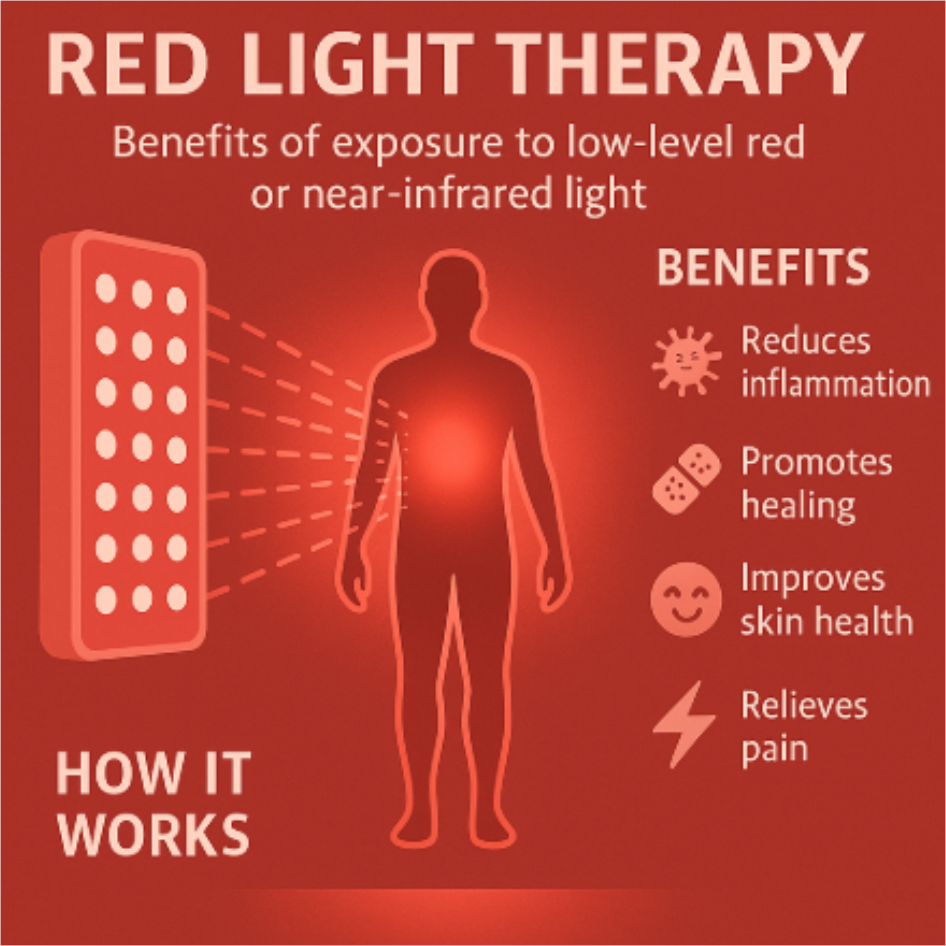
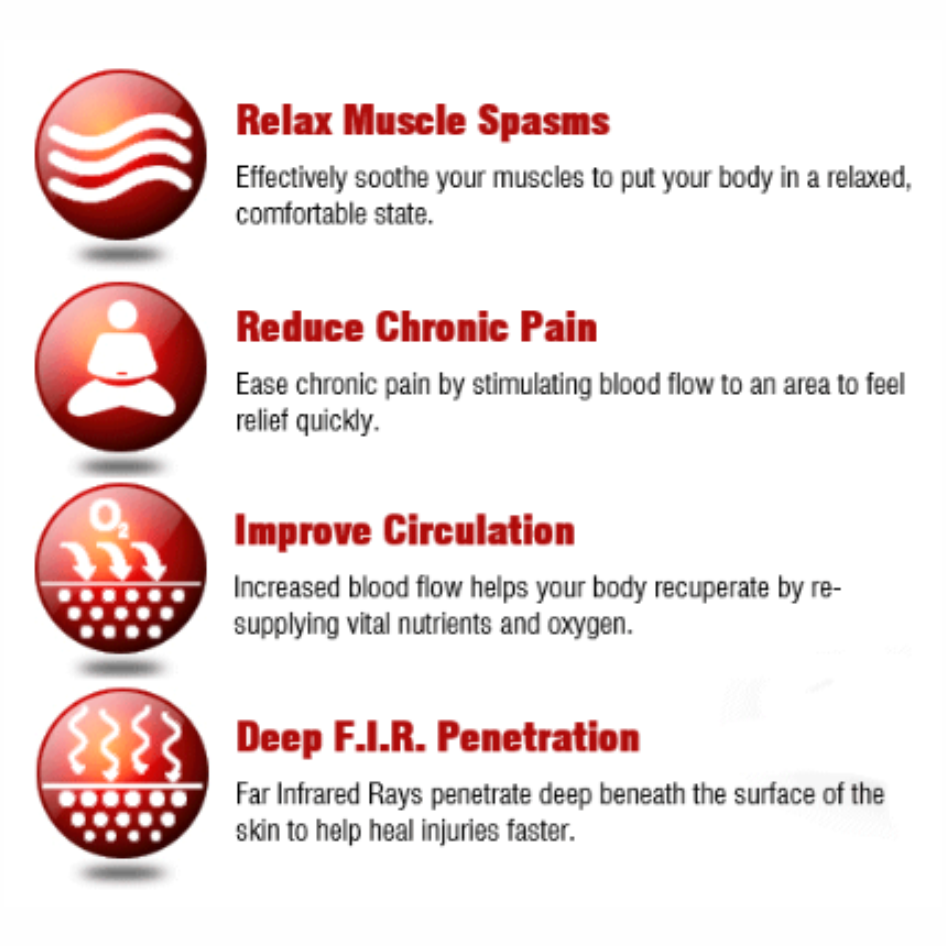
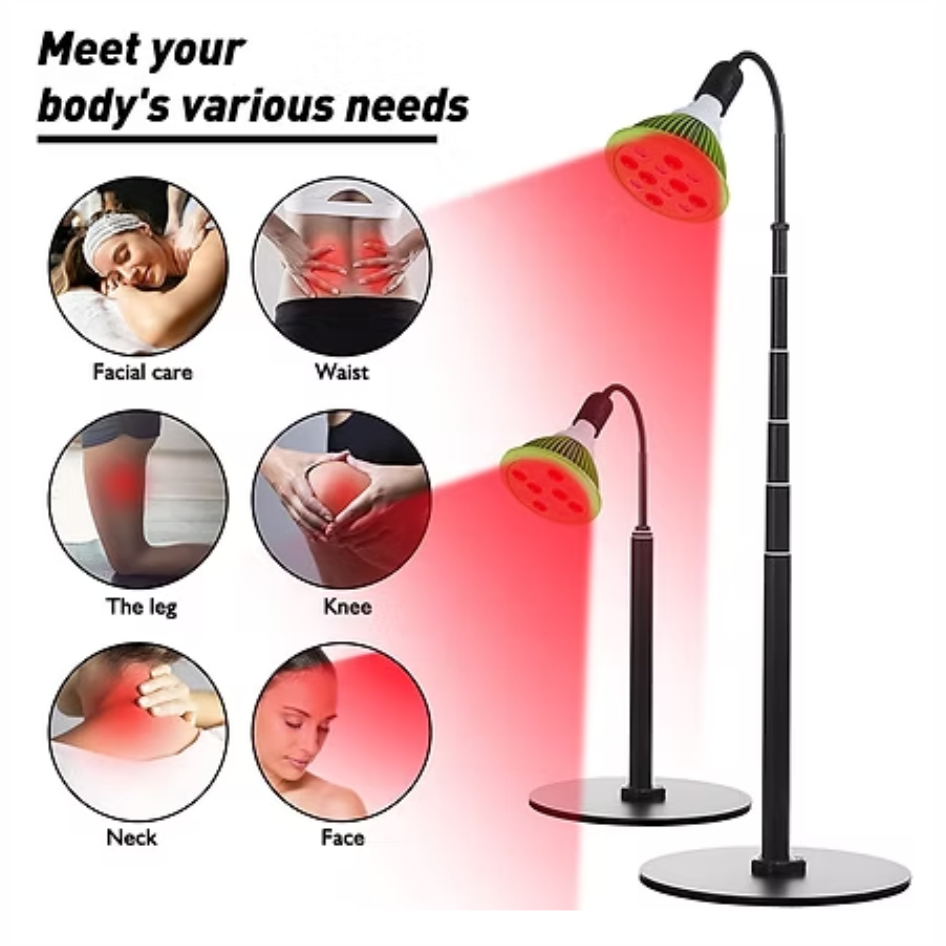
What is Red Light Therapy?
The human body is highly responsive to light. Red light therapy refers to low-level visible light and near-infrared (NIR) light photons in the red spectrum. These are absorbed through the skin to stimulate positive biological processes in the body.
Hundreds of studies show that red wavelengths from 620-660 nanometres (nm) and NIR wavelengths from 810-850 nm fall into a ‘therapeutic window,’ with significant benefits and no known side effects. Wavelengths at 1060nm are also effective for deep tissue treatment.
The Many Names of Red Light Therapy
Red light therapy is called by many names. Let’s look into why that is, and the difference between some of the most-used terms.
- Infrared Therapy
Infrared therapy can refer to near-infrared or far-infrared treatment. Infrared saunas feature far-infrared wavelengths.
It’s different from red light therapy in that wavelengths over 1000 nm heat up water molecules in the cells, stimulating the production of “heat shock proteins” as part of the healing process. NIR light affects the body much like red light, which doesn’t generate heat.
- LED Light Therapy
LED light therapy refers to light treatment using LED devices as opposed to lasers. LEDs are very safe since they generate very little heat and there’s no danger of burns. Medical-grade LED devices can deliver professional results in the comfort of the home, which is convenient and cost-effective when treating chronic conditions or large areas of the body.
- Low-Level Light Therapy
Low-level light therapy or low-level laser therapy (LLLT) refers to laser intensity that won’t harm the tissue when used properly. It is also called “cold” laser therapy. High-powered lasers are used surgically to kill certain cells or remove tissue but cold lasers are used in dermatology clinics to improve skin complexion and reduce signs of aging. Both LEDs and lasers are effective at delivering red/NIR light.
Older studies used lasers, which offer a more concentrated beam of light with very slightly greater tissue penetration. However, LED devices offer a greater treatment area, which makes them more practical for widespread conditions. Many contemporary studies now use LEDs, which means that results can be reproduced at home using a powerful medical-grade device.
- Near-Infrared Light Therapy
Near-infrared light therapy uses wavelengths from 810-850 nm, which absorb deeper into the body than red wavelengths. NIR light therapy is useful in treating systemic inflammation, nerve damage, deep muscle repair, joint pain, low back pain, and even the brain. Red light is used to regrow hair, and treat signs of aging, acne, and chronic skin disorders.
- Photobiomodulation
Photobiomodulation refers to forms of light used therapeutically that utilize non-ionizing forms of light sources including lasers, LEDs, and broadband light, in the visible and infrared spectrum. This nonthermal process elicits photophysical and photochemical events at various biological scales. All wavelengths of light affect the body in unique ways, and all are beneficial to some degree. Knowing the pros and cons of each wavelength helps us use the right wavelength for the right purpose.
How does Red Light Therapy work?
Visible red wavelengths treat each layer of skin tissue, while NIR wavelengths penetrate significantly deeper into the skin.
This puts many health issues such as arthritic joints, overtrained muscles, and inflammatory skin conditions well within the reach of red light therapy treatment.
- Increased Cellular Energy Production
Supporting optimal cellular performance is one key to healing. Trillions of cells in the body have specialized functions, but certain factors interfere with their performance.
Tiny organelles called mitochondria inside each cell produce energy by converting glucose into adenosine triphosphate (ATP), which is the primary cellular fuel. When the mitochondria can’t produce enough ATP, the cell can't repair itself efficiently, defend itself against pathogens, or perform its functions adequately.
This is called mitochondrial dysfunction and it is believed to be at the core of most major diseases. You can see it in rapidly aging skin, autoimmune disorders, and other diseases.
As red and NIR light photons absorb into the skin, they come into contact with light-sensitive molecules called chromophores. This excites the mitochondria and stimulates the production of ATP. When cells produce more energy, they shift from self-preservation to function.
When all cells in a treatment area are ‘refreshed,’ their renewed vitality quickly manifests as better health.
- Hormesis
The following major mechanisms of action work together to support healing in a process called hormesis.
The term hormesis refers to a dose–response relationship in which a low dose of a stressful stimulus activates an adaptive response that increases the resistance of the cell or organism.
In the context of red light therapy, the increasing stimulus comes from the irradiance level. At the right dose, this effectively stimulates healing.
Exercise is an example of hormesis. In moderation, exercise is beneficial. Exercise temporarily increases free radicals in the muscles as they break down under effort, stimulating a healing response that results in stronger, larger muscles. Going too hard too fast, though, can cause lasting muscle damage.
Red light therapy activates many of the same biological effects as moderate exercise.
- Reduced Inflammation
Chronic inflation is one of the main causes of mitochondrial dysfunction. Acute short-term inflammation is a temporary immune response to injury or infection and is a natural part of the healing process.
But if the inflammatory process continues even when no danger is present, inflammation begins damaging cells. Chronic inflammation is implicated in Alzheimer’s Disease, cancer, asthma, acne, heart disease, rheumatoid arthritis, and other conditions.
Red light therapy has a powerful anti-inflammatory effect. Some of the benefits of red light therapy could be due to the effect of red light on the gut biome (by application to the abdomen), where it reduces chronic inflammation and supports healthy gut bacteria that are vital to the immune response.
- Improved Circulation
Good blood and lymph flow are essential for health and healing. Blood brings oxygen, nutrients, and immune cells to damaged areas. Lymph removes waste and toxins that impede cell function.
Red/NIR light acts as a vasodilator and has been used to treat vascular dysfunction in diabetic patients and increase blood circulation in diabetics with chronic leg wounds.
Red light therapy also stimulates production of endothelial cells, which make up the walls of blood and lymph capillaries.
- Increased Collagen and Elastin Production
Collagen is most often associated with youthful skin (this protein makes up about 80% of the skin), but it is also present in muscles, joints, and connective tissue. Collagen production can be altered by aging, chronic inflammation, and other factors.
Red light therapy stimulates collagen synthesis to help with anti-aging, wound healing, and joint pain. It may even reduce the progression of osteoarthritis by stimulating the production of Type 3 collagen found in cartilage.
Red light therapy also stimulates elastin and hyaluronic acid production. Elastin is the protein that allows the skin to bounce back after being stretched. Hyaluronic acid also helps the skin stretch and supports skin wound healing.
In a study involving 113 participants, the red light therapy treatment group experienced significantly improved skin complexion along with smoother skin and intradermal collagen density increase.
- Reduces Inflammatory Cytokines
In a 2013 paper, light therapy researcher Dr. Michael Hamblin stated that a single red light therapy treatment can reduce inflammatory cytokines as soon as 24 hours after treatment.
Cytokines are proteins involved in the communication of pain signals; thus, reducing inflammatory cytokines could lead to a lessened perception of pain.
- Stem Cell Activation
Red and NIR light therapy activates the production of stem cells in the bone marrow. These “master cells,” or non-specialized cells are present throughout the body in a dormant state. In response to an injury or infection, the bloodstream transports stem cells to the affected area. There, they develop into any type of cell that the body needs.
Display prices in:ZAR